
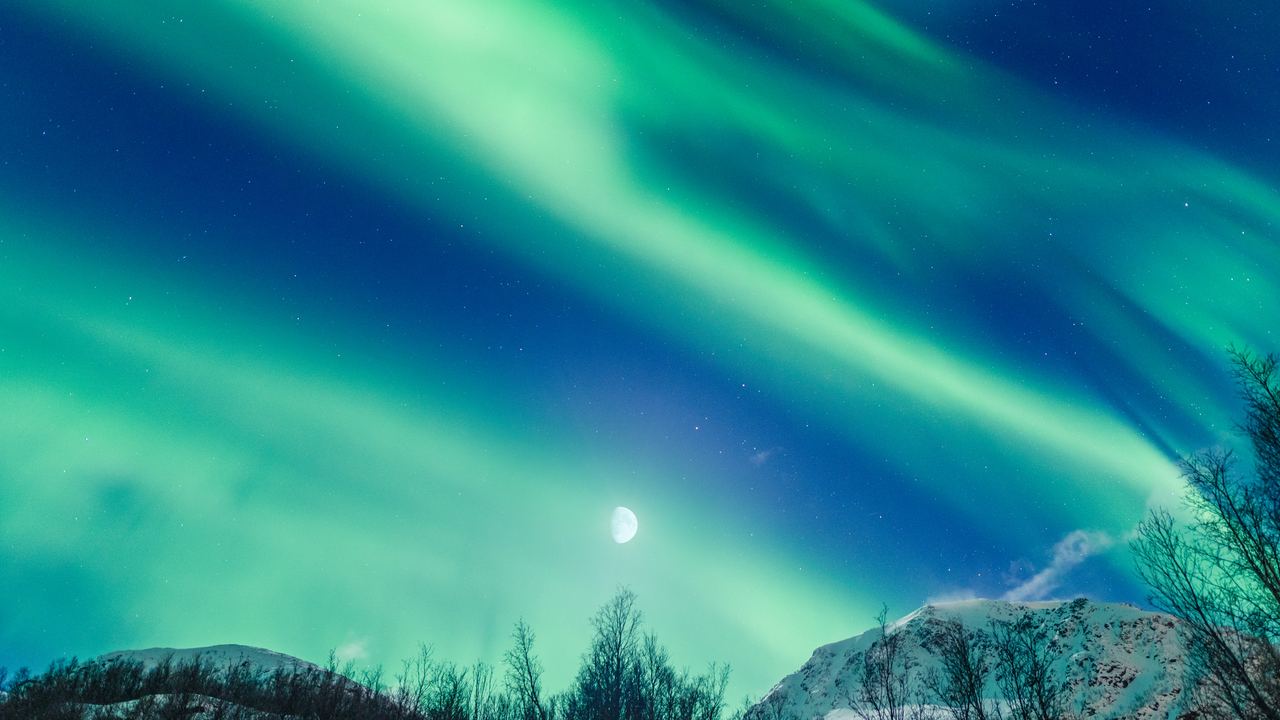
Four things have to line up before you see an aurora: a clear sky, enough darkness, no moon in the way, and something happening geomagnetically. Three of the four can be worked out years in advance. The fourth cannot be forecast beyond a few days, and it is the one everybody talks about.
So this section spends its time on the ones you can actually plan around, using public data recalculated rather than repeated.
Planning, in order of usefulness
Weather first, because it decides more than anything else and because you can see it coming months ahead.
When the sky actually opens
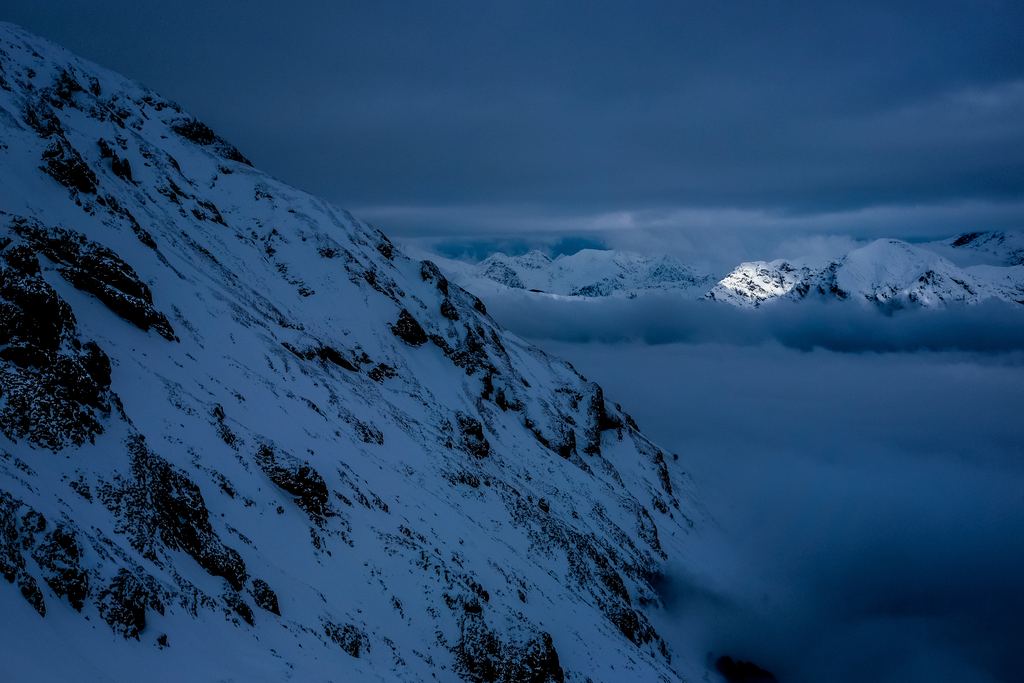
Eleven seasons of cloud data by month. December in Tromso is the worst month of the season at 16.8% of nights, and it is also peak pricing.
Moon, darkness and the nights worth booking
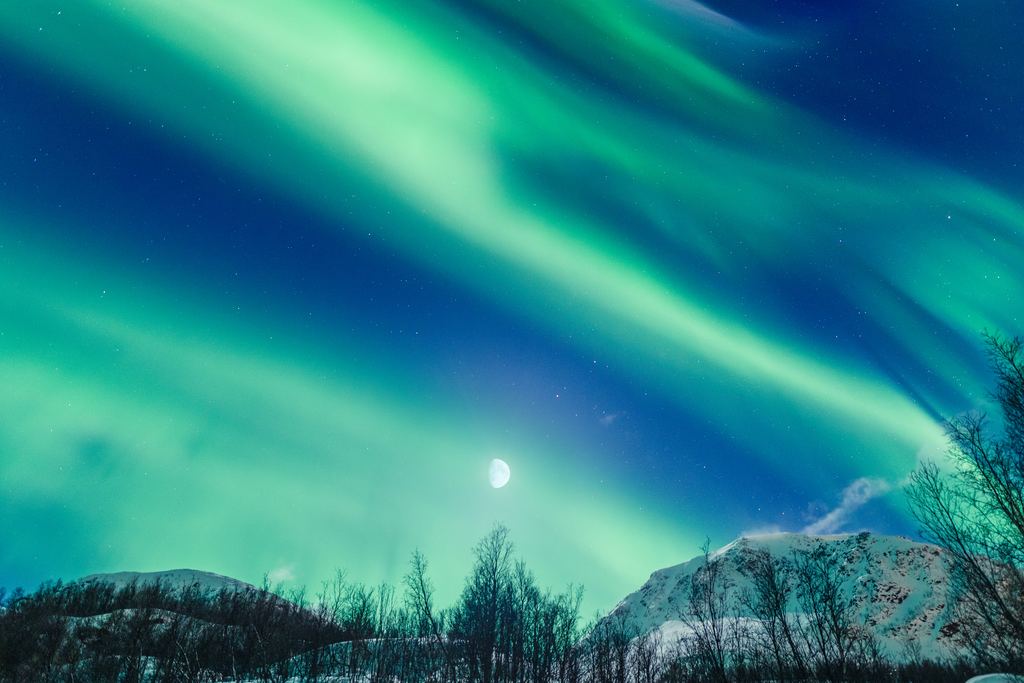
Every new and full moon of the 2026-27 season, hours of real darkness by month, and why September has the clearest sky and the least dark in it.

The best time to go
Where the four variables overlap, month by month, and the two windows in this season worth building a trip around.
What it costs
No price tables until we can calculate them properly. What drives the numbers, and why the tour is rarely the biggest line in the budget.

What to wear
Hiking advice is written for people generating heat. Standing still for six hours is a different problem, and sweat is the enemy rather than cold.
Going with children
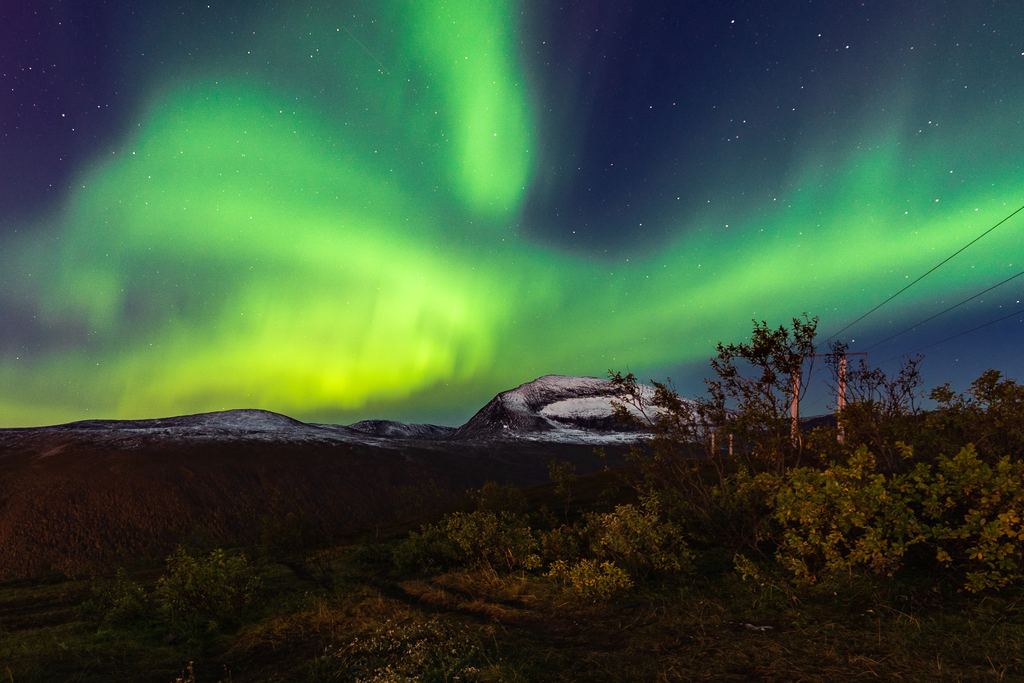
The best hours are late, the cold is serious, and the main activity is waiting. The standard tour is the wrong product.
The short version
Go in the shoulder season. September, October, February and March have better cloud statistics than midwinter in most of our destinations, cost less, and sit near the equinoxes, when geomagnetic storms are close to twice as common as at the solstices.
Book more than one night. At Tromso's December rate of roughly one usable night in six, a single booking is a poor bet however the listing is worded.
Aim near a new moon. The dates are exact and free to work around: 11 September 2026 and 8 March 2027 are the two that fall inside the best weather windows of this season.
Ignore the darkness advice. Or rather, stop treating long nights as the goal. December has the most darkness available anywhere and the worst sky in our dataset. The hours were never the constraint.