
You do not need any of this to enjoy an aurora. You do need some of it to read a forecast without being misled by it, and to understand why the advice you have been given about Kp and about long winter nights is mostly wrong.
These five pages cover the physics that changes decisions, and skip the physics that does not.
The mechanism, in five parts
Each of these exists because something commonly repeated about the aurora is inaccurate.

What causes it
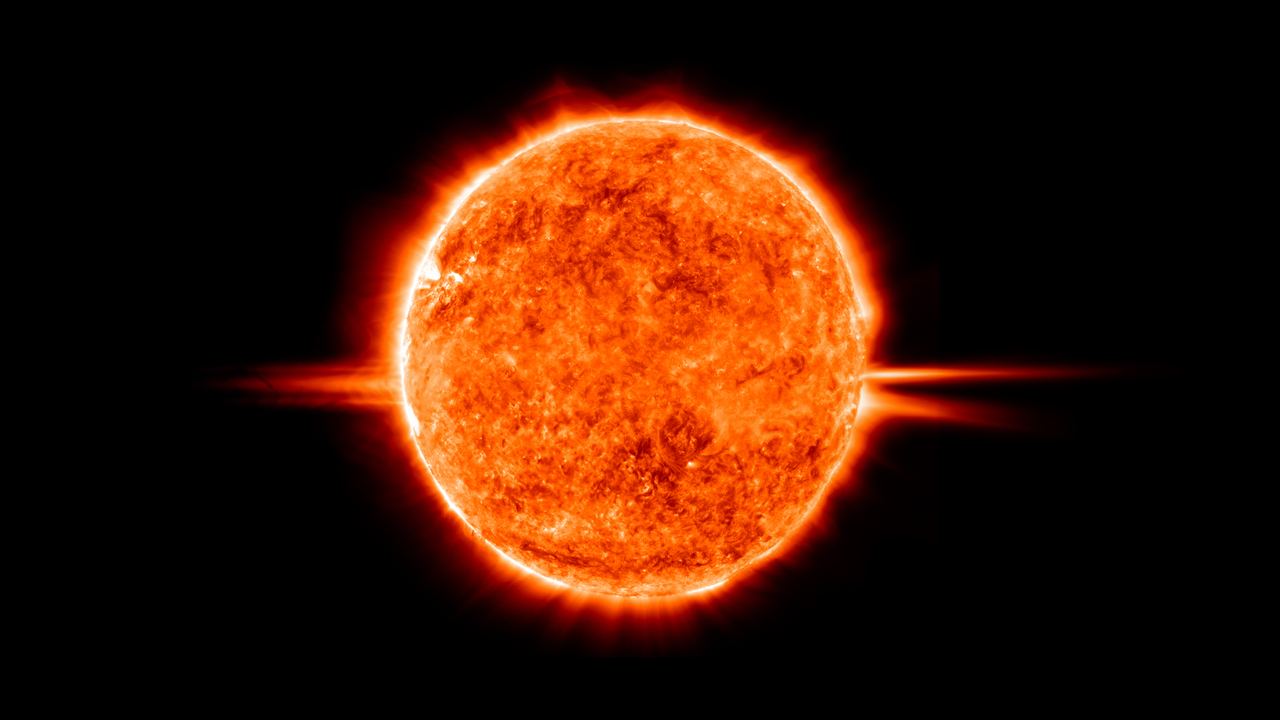
Solar wind, a magnetic tail that stretches and snaps, and a delay of one to three days between the event on the sun and the light above your head.
The Kp index
A planetary average, measured after the fact, from thirteen observatories all outside the aurora zone. A clear sky at Kp 2 beats a cloudy one at Kp 6.

The auroral oval
A ring around the magnetic pole, fixed relative to the sun while the earth turns underneath. It explains Tromso, Oslo, and why there is a best hour of the night.

Why it is green
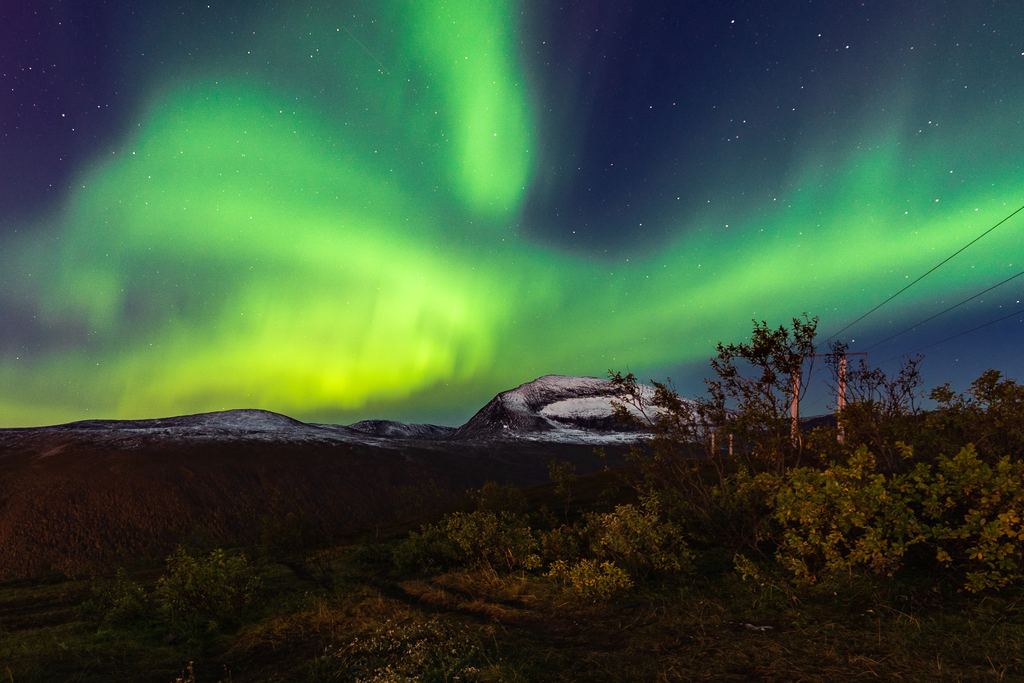
Green and red both come from oxygen. What separates them is how long an excited atom can wait before it emits, and whether anything bumps into it first.
Solar Cycle 25
The sun peaked in late 2024, harder than forecast. The declining phase is not the quiet phase, and the reason is coronal holes on a 27 day cycle.
Three corrections worth making
- Kp is not an aurora meter. It is a three-hour planetary average of magnetic disturbance, computed after the window closes, by stations chosen specifically for being outside the auroral zone. It knows nothing about the cloud above your head.
- Higher is not always better. From inside the oval, a very large storm can push the brightest band south of where you are standing. Big Kp numbers matter most to people who need the aurora to come to them.
- The colour tells you altitude, not intensity. Red only survives above roughly 300 km, because the excited state lasts about two minutes and lower down something collides with the atom first. Green emits in about a second and can happen much deeper.