
Reykjavík
61 departures from the northernmost capital in the world, under the steadiest sky in this catalogue
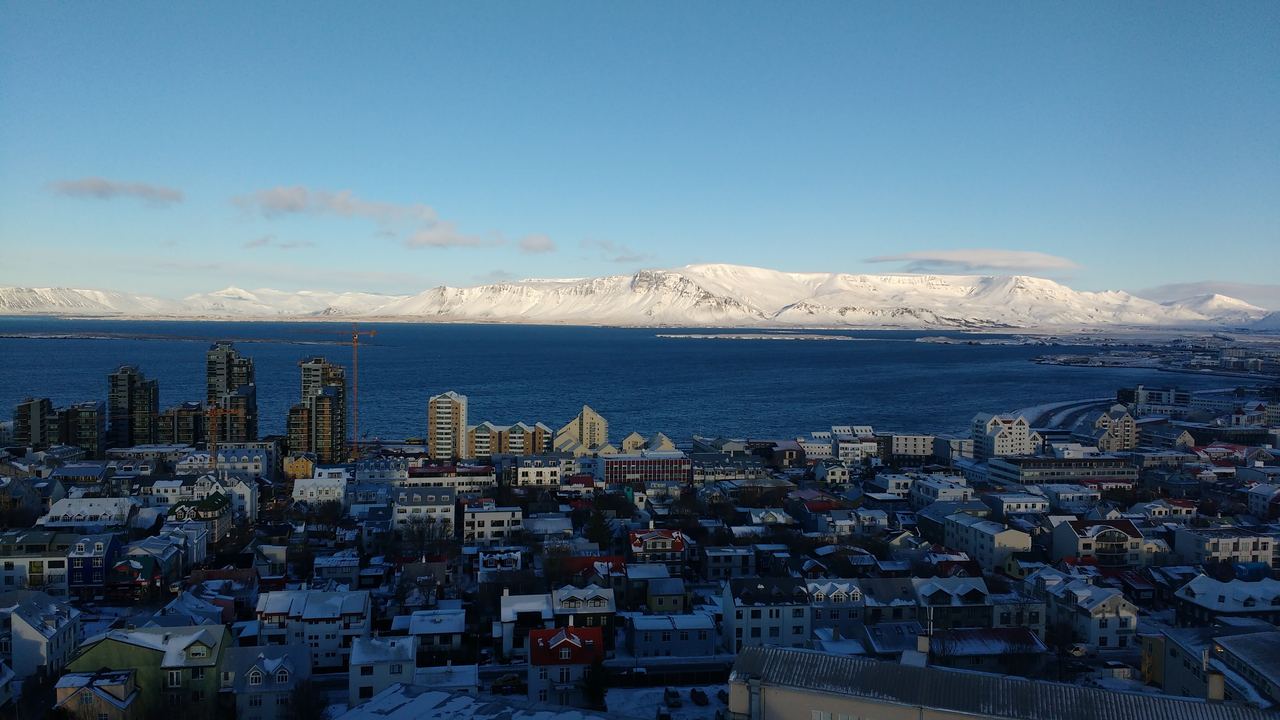
Reykjavík is the northernmost capital of any sovereign state, and the only one where you can leave a restaurant at half past nine and be standing under the auroral oval twenty minutes later. That is the usual argument for basing an aurora trip here: the infrastructure of a city, in a place the aurora passes over as a matter of routine.
The better argument is in the data and nobody makes it. Across eleven seasons of reanalysis, Reykjavík gets a usable sky on 35.6% of season nights, second in Europe behind Kiruna. More usefully, its worst month is 31.1% and its best is 40.7%. Nine points of spread across an entire season, where Tromsø swings seventeen and Rovaniemi thirty. There is no wrong month here, which is a boring virtue right up until your dates are chosen by somebody else.
About 140,000 people live in the city and roughly 250,000 in the capital region, close to two thirds of everyone in Iceland. That concentration cuts both ways. It puts 61 departures, several harbours' worth of boats and a national road network within reach of one hotel room, and it throws enough light into the sky that the faint displays, which are most of them, are lost from the centre.
Choose a destination in Reykjavík



Northern Lights Experiences in Reykjavík
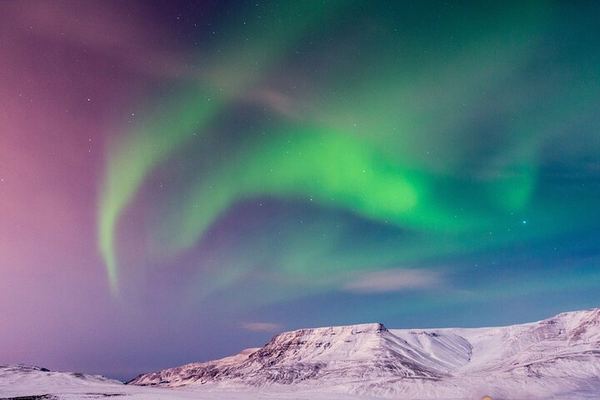
Active Volcano Hike and Northern Lights Night Tour from Reykjavík
Ninety minutes on foot each way to the eruption site at Meradalir in the afternoon, then the aurora hunt after dinner. Only Iceland offers both in a day.
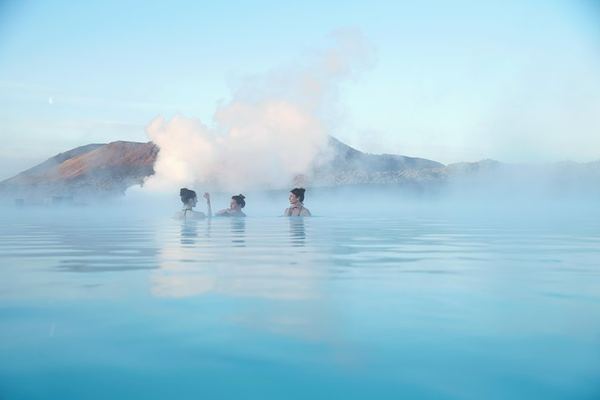
Blue Lagoon Comfort Entry and Northern Lights Hunt from Reykjavík
Comfort admission to the Blue Lagoon at 14:00, back in town for dinner, then the aurora hunt leaves BSÍ at 21:00. One booking with the gap built into it.
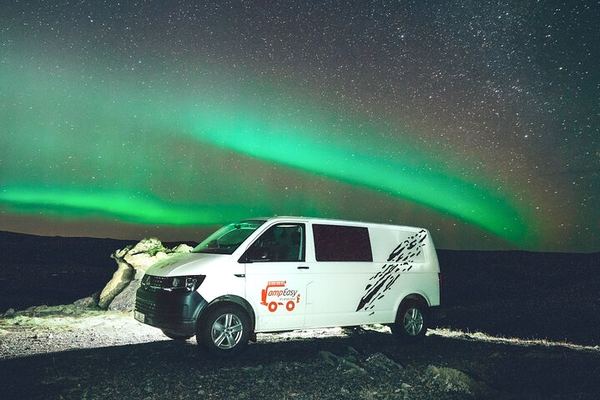
Five Day Self Drive Campervan Break in Iceland with Ice Cave and Aurora
Five days and four nights with the route, the campsite fees and three activities already booked, including a super jeep ice cave run from Skaftafell.
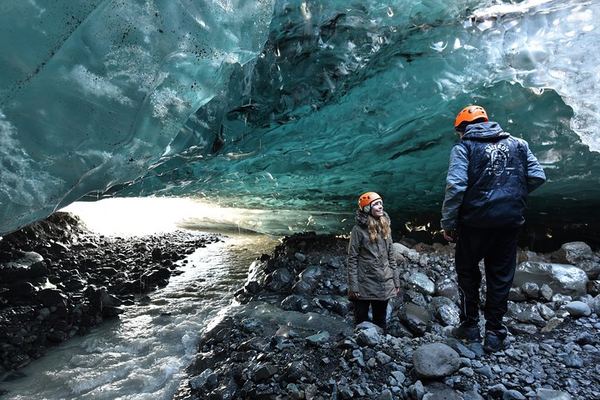
Four Day Blue Ice Cave, South Coast, Golden Circle and Snæfellsnes Tour
Golden Circle, Snæfellsnes and the south coast to Jökulsárlón, ending with a super jeep run into a blue ice cave. The aurora is on the card all four nights.
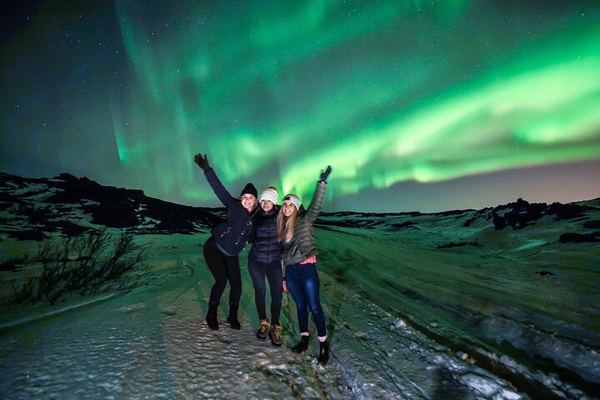
Four Day Iceland Tour: Golden Circle, South Coast, Volcano Hike and Aurora
The routes most visitors squeeze into day trips, done properly: Golden Circle, south coast, a glacier hike on Vatnajökull and the recent eruption site.
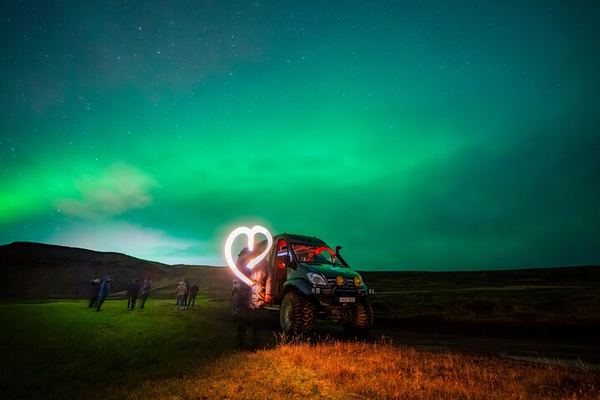
Four Hour Super Jeep Northern Lights Chase from Reykjavík
A super jeep uses gravel and mountain roads a coach cannot, which decides how many viewing spots exist that night. Blankets, hand warmers, free rebooking.
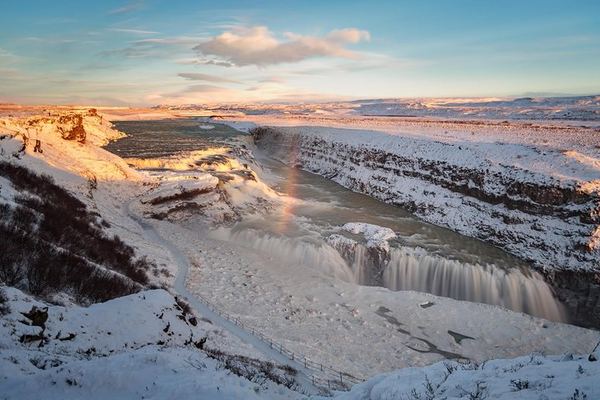
Golden Circle and Northern Lights Small Group Tour from Reykjavík, 11 Hours
Thingvellir, Geysir and Gullfoss by daylight, then the hunt once dark comes down. Iceland's winter night is long enough to fit both halves into one day.
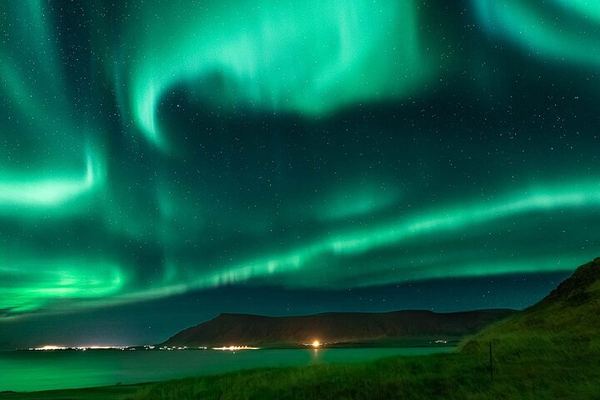
Golden Circle and Northern Lights Tour from Reykjavík in One Day
The full Golden Circle, a few hours back in town to rest and eat, then out again. The guides look for clear sky rather than scenery, with cocoa for the wait.
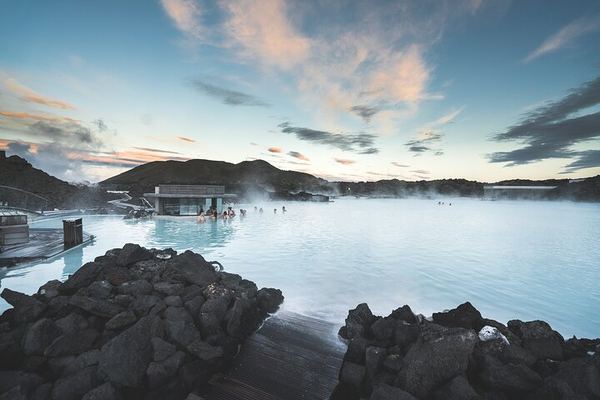
Golden Circle, Blue Lagoon and Northern Lights in One Day from Reykjavík
Thingvellir, Geysir, Gullfoss and Keríð crater, then two hours in the Blue Lagoon, then 90 minutes to eat before the aurora hunt. Three trips, one booking.
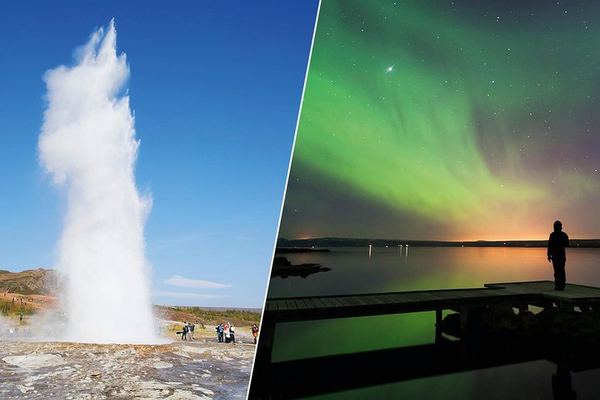
Golden Circle by Day and Northern Lights by Night from Reykjavík
Two tours with a gap between them for a shower and dinner. After dark the guides work from live aurora updates instead of driving to a fixed viewing spot.
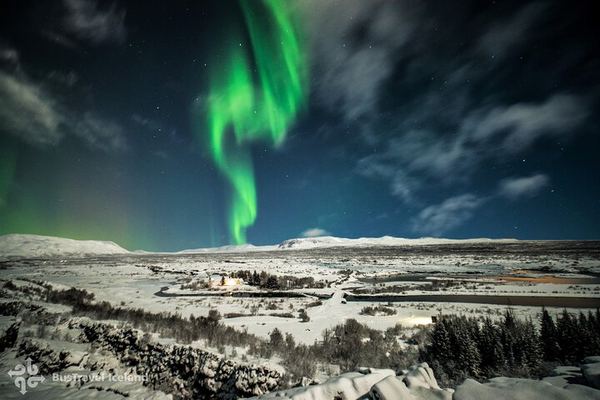
Golden Circle, Keríð Crater, Secret Lagoon and Northern Lights Combo
Five daylight stops including Keríð crater and the Secret Lagoon, then hours off in town, then a second bus out past the city lights. Two tours, one rate.
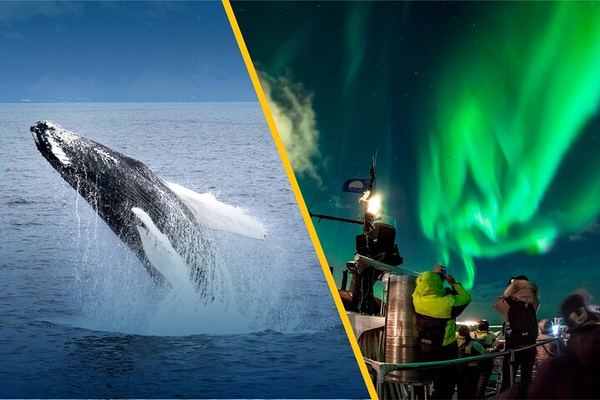
Iceland Super Saver: Northern Lights Cruise plus Whale Watching in Reykjavík
Two boat tours bought together and taken on whichever days suit your trip. Coveralls before boarding: standing still on a winter deck is a different cold.
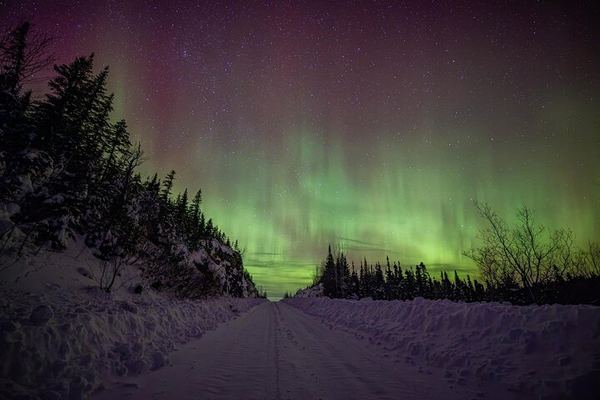
Northern Lights 4x4 Hunt from Reykjavík, Guided in Spanish
Spanish-speaking guides and a 4x4 that reaches ground a coach cannot, which counts on a night when the cloud breaks in only one corner. Photos included.
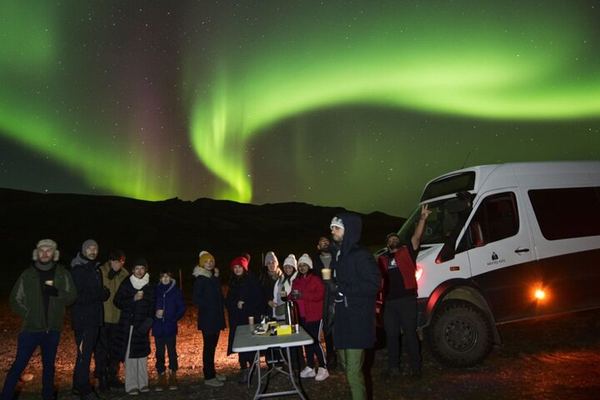
Northern Lights 4x4 Tour from Reykjavík with Icelandic Pastries and Cocoa
Four hours by 4x4 minibus, guided in Spanish and English, with hot chocolate, traditional pastries and hand warmers: the things that decide if you last.
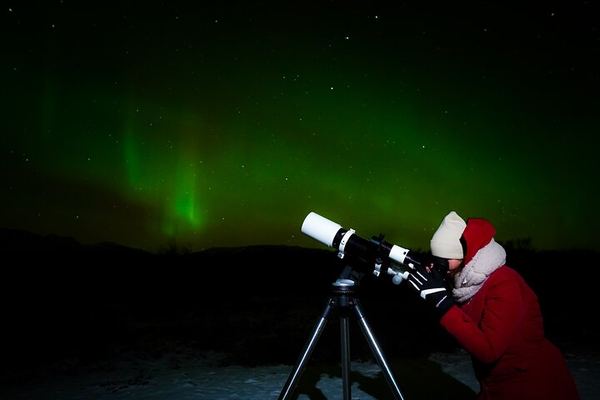
Northern Lights and Telescope Stargazing Small Group Tour from Reykjavík
A telescope turns the waiting into planets and deep space objects rather than staring at cloud. Small group, and the route set by that evening's forecast.
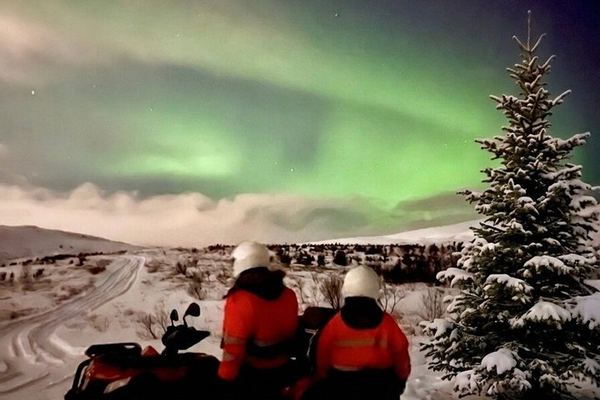
Northern Lights ATV Quad Ride from Reykjavík to Hafravatn Lake
Rough trails by quad to Hafravatn lake and Mount Hafrafell, with the city laid out below. While the sky makes up its mind, the guides turn you to the stars.
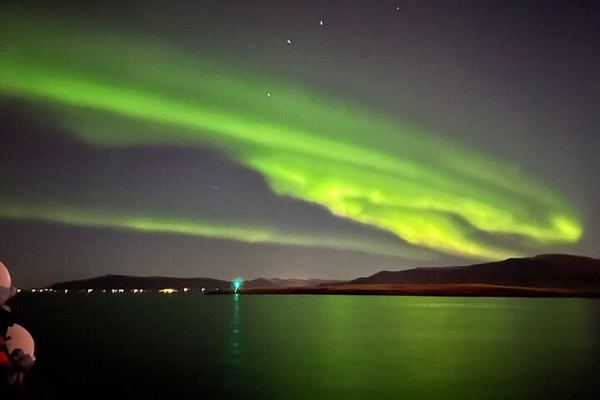
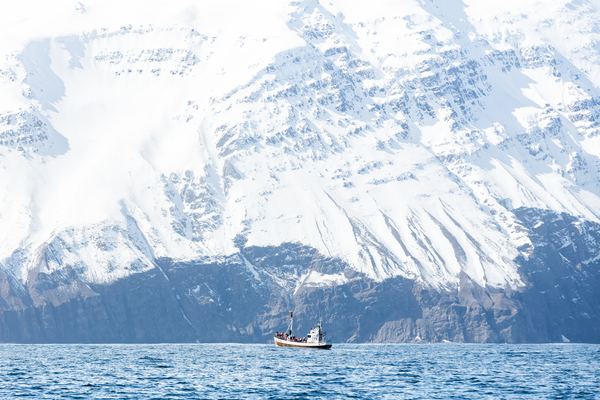
Northern Lights Boat Cruise from Reykjavík Old Harbour with Sea Trips
Out on the North Atlantic the water picks up whatever is happening overhead. Check in at Aegisgardur 5b half an hour early; a free ticket if nothing shows.
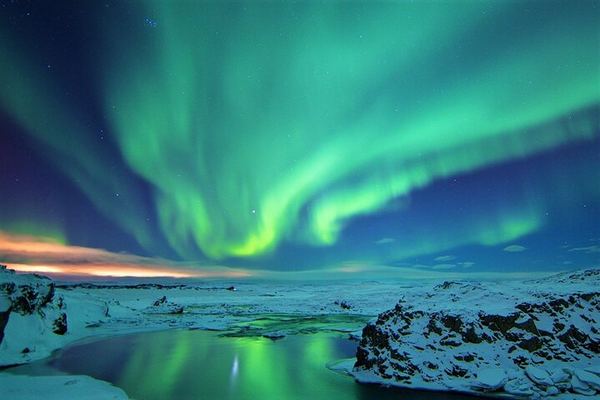
Northern Lights Bus Tour from Reykjavík with Hot Chocolate
The straightforward version of the hunt: no jeep, no small-group premium, a coach that drives to wherever the sky is clear, with hot chocolate for the wait.
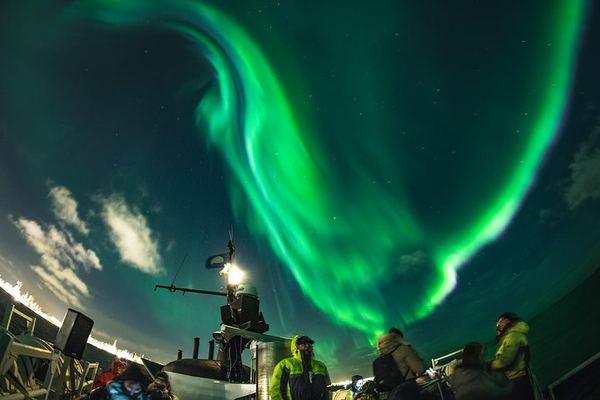
Northern Lights by Boat from Reykjavík Old Harbour, with a Backup Plan
If the forecast cancels the sailing, the evening moves to the Whales of Iceland exhibition at 21:00, so one of the two happens whatever the weather does.
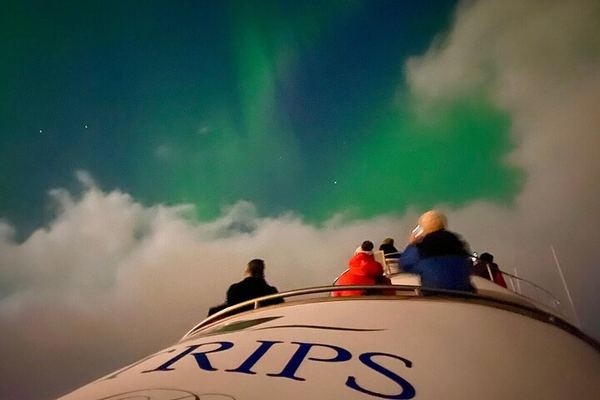
Northern Lights Cruise aboard the Amelia Rose from Reykjavík
Genuinely dark water sits minutes from the harbour, which is why this hunt sails instead of driving. No lights means a free return sailing, valid three years.
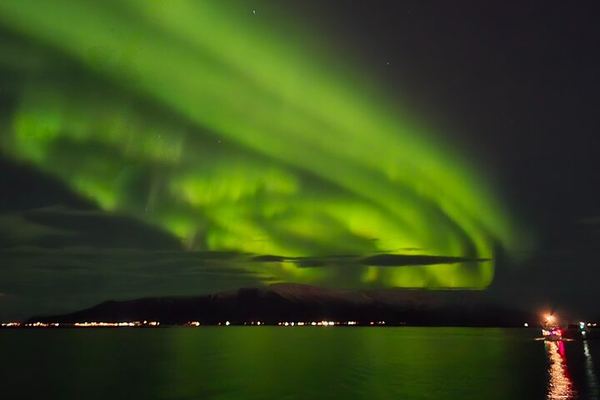
Northern Lights Cruise from Downtown Reykjavík
The Old Harbour is a short walk from downtown, so there is no long transfer before the watching starts and none after it. The city glow drops behind the stern.
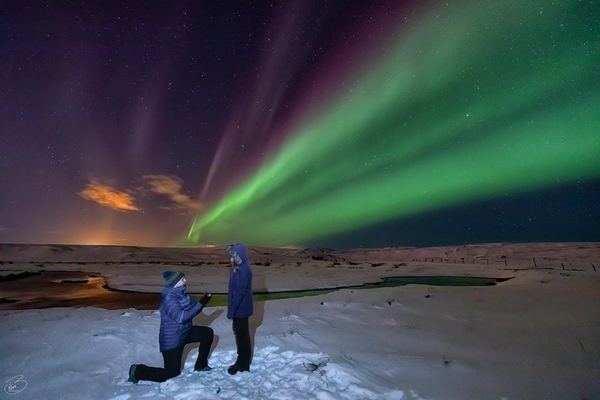
Northern Lights Hunt with Photography Help, Small Group Tour
Hands-on help with your settings in the dark, or a portrait if you brought no camera, delivered as high resolution files. This one does not go out under cloud.
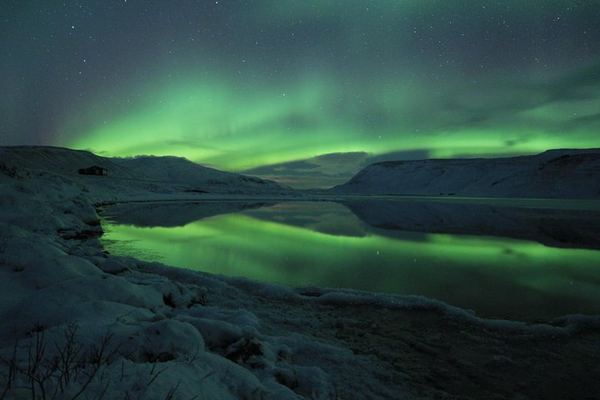
Northern Lights Midnight Adventure by Minibus from Reykjavík
A heated minibus and a guide who spends the evening working out where the sky is worth stopping under, then photographs everyone so no camera is needed.
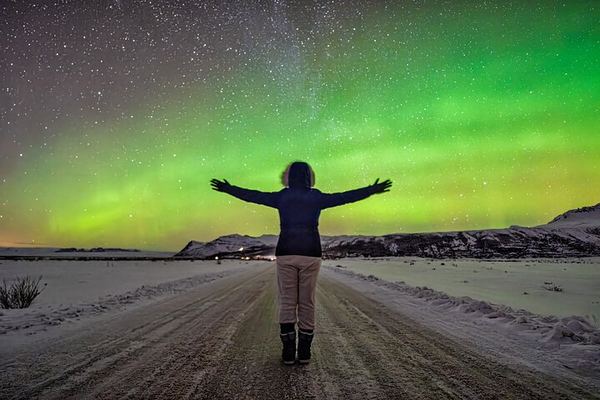
Northern Lights Small Group Tour from Reykjavík with Guide and Photos
Someone who understands the phenomenon, someone who knows which sites work, and a photograph worth keeping. The tour is built around those three things.
Ratings collected by Viator and Tripadvisor
The numbers, month by month
| Month | Usable-sky nights | Darkness per night | Moon-free nights | Expected usable dark hours |
|---|---|---|---|---|
| December | 38.7% | 6.9 h | 55% | 2.67 |
| November | 37.0% | 6.4 h | 50% | 2.37 |
| January | 33.9% | 6.3 h | 58% | 2.14 |
| October | 34.5% | 5.1 h | 48% | 1.76 |
| February | 31.1% | 5.1 h | 57% | 1.59 |
| March | 33.5% | 3.5 h | 61% | 1.17 |
| September | 40.7% | 2.7 h | 40% | 1.10 |
December is the best month to hunt the aurora from Reykjavík, and that sentence is worth pausing on, because in Tromsø December is the worst month of the year. This is the clearest case in our data of advice that does not travel. Iceland's cloud record barely moves across the season, so the darkness peak in midwinter arrives without a penalty attached, while in Norway the same month brings eight hours of dark and a sky that is shut five nights in six.
September is the weakest month here, in spite of having the best cloud figure of the year at 40.7%. There are 2.7 hours of astronomical darkness in a September night at this latitude, against 6.9 in December. A three-hour tour leaving at nine in September spends much of its evening in residual twilight.
The flatness of the first column is still the thing that distinguishes Reykjavík: 31.1% at worst and 40.7% at best, a range of nine points across the entire season, where Tromsø swings seventeen and Rovaniemi thirty. There is no month here where the sky lets you down systematically. What varies is how much dark you get to use it in.
One limit on that ranking, stated because it argues against it. It measures how much dark clear sky a month contains, not the chance the aurora does something inside it. Geomagnetic storms are close to twice as frequent around the equinoxes, an effect described by Russell and McPherron in 1973, which favours September and March. Even doubling September leaves it behind December here.
Four ways to spend the night
| Way of hunting | Departures | Price band | The trade |
|---|---|---|---|
| By road | 36 | 68–1,225 EUR | Can drive to a gap in the cloud anywhere within two hours; the cheapest seat on the island |
| By boat | 7 | 70–174 EUR | Genuinely dark water minutes from downtown, but a boat cannot chase; the sky is what it is |
| Photography-led | 8 | 98–1,567 EUR | Somebody whose job is the picture rather than the driving; you go home with a usable image |
| Multi-day | 9 | 440–6,515 EUR | Several nights in a row, which is the only method that reliably raises the odds |
The median shared seat across all of these is 141 EUR, second cheapest of the nine destinations where we have enough departures to calculate a median at all.
That last row deserves attention, with one qualification. More nights is the single most effective thing anyone can do, but only if the nights are genuinely independent: a weather system parked over the southwest makes three nights in Reykjavík into one night repeated. The multi-day routes that move you 200 km down the south coast are buying separation as well as scenery.
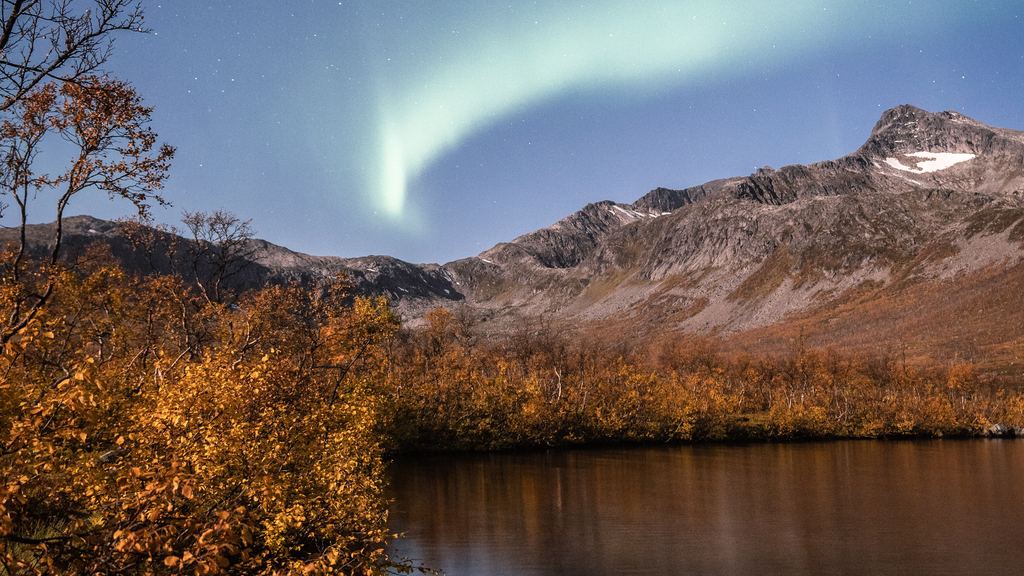
Where the city helps, and where it gets in the way
Reykjavík burns almost no fuel to keep warm. Since 1930, when hot water was first piped from the washing springs at Þvottalaugar to a school in the east of town, the city has run on geothermal district heating, and today roughly nine in ten Icelandic homes are heated the same way. The visible consequence on a winter night is an absence: no chimney haze, no coal smoke, nothing between you and the sky except whatever the Atlantic has sent over.
What the city does put in the way is its own light. From Grótta lighthouse on Seltjarnarnes, or from the slope of Öskjuhlíð, a strong display is perfectly visible without leaving the built-up area. A weak one is not, and weak ones outnumber strong ones heavily. That gap is what you are buying a seat to escape: twenty to sixty minutes of driving usually buys two magnitudes of darkness.
The night the capital turned itself off
On 28 September 2016 the city switched off the street lights across several neighbourhoods for about an hour, after the forecast called for an unusually strong display, and asked residents to turn off their own lights too. Drivers were warned in advance. It is the sort of thing a city of 140,000 can decide to do and a city of eight million cannot, and it says more about how Icelanders treat the aurora than any brochure line: not as an attraction, as weather worth stopping for.
When to come
Reykjavík against the north coast
| Month | 1 | 2 | 3 | 4 | 5 | 6 | 7 | 8 | 9 | 10 | 11 | 12 |
|---|---|---|---|---|---|---|---|---|---|---|---|---|
| ReykjavíkDecember is the best month here and the worst in Tromso, which is the clearest example of advice that does not travel. September has the best cloud figure of the Icelandic year and 2.7 hours of darkness to use it in. | 1 | 2 | 3 | 4 | 5 | 6 | 7 | 8 | 9 | 10 | 11 | 12 |
| AkureyriWorse in every month despite being further north: 23.3% season average against 35.6%. Five departures, so a lost night has no replacement. | 1 | 2 | 3 | 4 | 5 | 6 | 7 | 8 | 9 | 10 | 11 | 12 |
Cloud: ERA5 via Open-Meteo, 11 seasons. Darkness and moon: ephemerides. Ranking by cloud multiplied by darkness; method in the site's data notes.
One number worth knowing before you read any forecast: from Reykjavík you do not need a geomagnetic storm. A Kp of 2 or 3 puts the auroral oval overhead. The dramatic Kp 6 and 7 nights that make the news are what lets people in Scotland and Germany see it, not what is required here. If someone tells you activity is too low for Iceland, check the cloud map instead.
Questions people ask about Reykjavík
Which month should I book?
December, November or January. Reykjavík's sky is the steadiest of the fourteen destinations we measure and the darkness peaks in midwinter, so unlike Norway the two line up instead of fighting. September has the best cloud figure of the year and only 2.7 hours of real darkness, which puts it last on the combined measure.
Can you see the northern lights from inside the city?
On a strong night, yes. Grótta lighthouse on Seltjarnarnes and the slope of Öskjuhlíð are the two spots locals use, and in 2016 the city switched off street lights so people could watch from their own streets. On an ordinary night, no: the display is there but the city glow eats it.
How many nights should I allow?
Three is the safe answer and two is genuinely defensible here, which is not true anywhere else in this catalogue. With a usable sky on roughly 35% of nights in every month of the season, each extra attempt is worth the same as the last, and you are not gambling on having picked the right month.
Boat or road?
Road, if you only do one. A vehicle can drive to a hole in the cloud; a boat cannot. The boat's advantage is real but different: dark water twenty minutes from downtown, an unbroken horizon, and no coaches parked alongside you. Reykjavík is also the one place where a boat gives up little, because the sky here barely varies.
Which forecast should I trust?
The Icelandic Meteorological Office at vedur.is, which publishes cloud cover and aurora activity together and updates through the evening. It is free, it is what the guides read, and the cloud layer matters more than the activity number. Road conditions are separate, at road.is.
Data verified on. Cloud: ERA5 via Open-Meteo, 11 seasons. Darkness and moon: ephemerides. Prices and counts read from the 61 departures on 10 August 2026.