
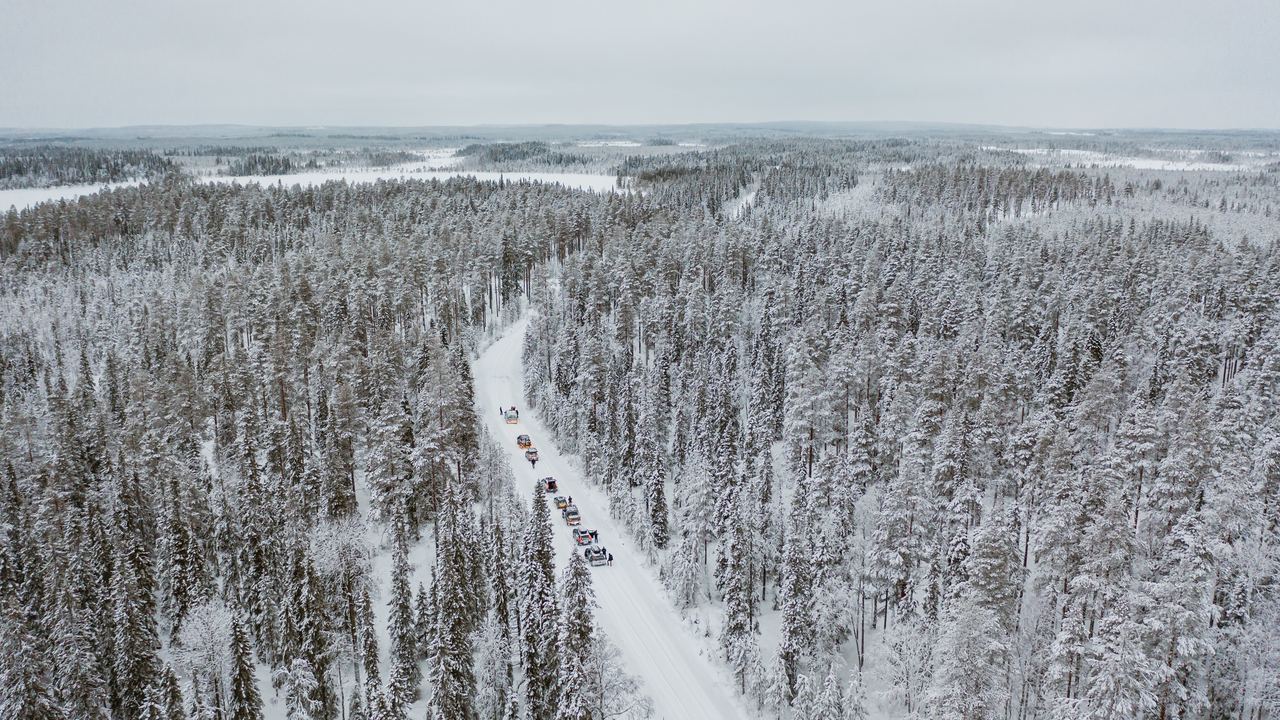
Minibus & Jeep
14 departures by road, five of which drive 200 miles north to a line that makes no difference to your odds
Fairbanks is one of the best-placed aurora towns on earth and the reason is not the one printed on the postcards. At 64°50′N it is further south than Tromsø, Rovaniemi or Reykjavík, and it still sits deeper under the auroral oval than any of them. The oval is centred on the geomagnetic pole, which lies off northwest Greenland rather than at the top of the globe, and Alaska happens to be on the right side of that offset.
The second reason is dryness, and it is measurable: across eleven seasons of reanalysis, Fairbanks gets a usable sky on 48.9% of season nights, the highest of the fourteen destinations on this site. That is dry continental air, sheltered by the Alaska Range from anything the Pacific sends north.
Which makes the shape of this page slightly odd. Five of the fourteen road departures spend the day driving to the Arctic Circle, and the Arctic Circle is a line defined by where the sun does and does not rise on the solstices. It has no magnetic meaning whatsoever. You will not see more aurora at Mile 115 of the Dalton Highway than at a pull-off twenty minutes out of town, and the operators, to their credit, mostly sell it as a road trip with an aurora attempt at the end. Which is what it is, and it is a very good one.
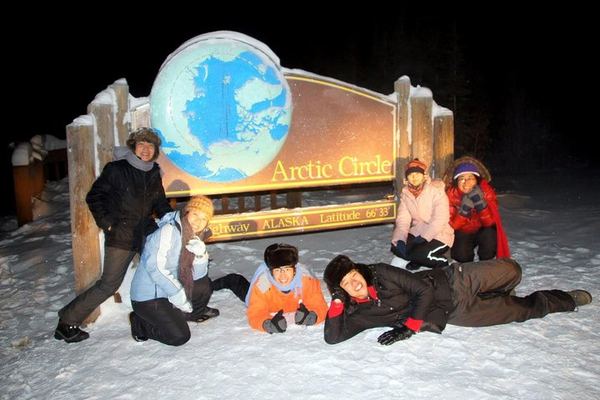
Arctic Circle and Northern Lights Day Trip from Fairbanks
The crossing is the fixed part, a line most people never cross and one you can prove you did. The aurora is the variable. Light meal and transfers included.
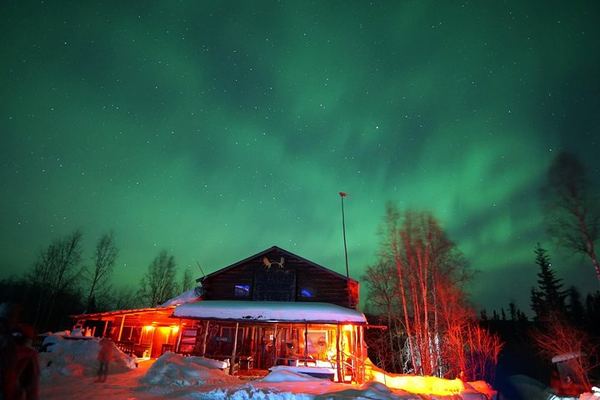
Arctic Circle Aurora Drive from Fairbanks on the Dalton Highway
The Dalton, the pipeline, the Yukon River and tundra up close, with an Arctic Circle certificate, ending with an aurora watch at Joy, Alaska.
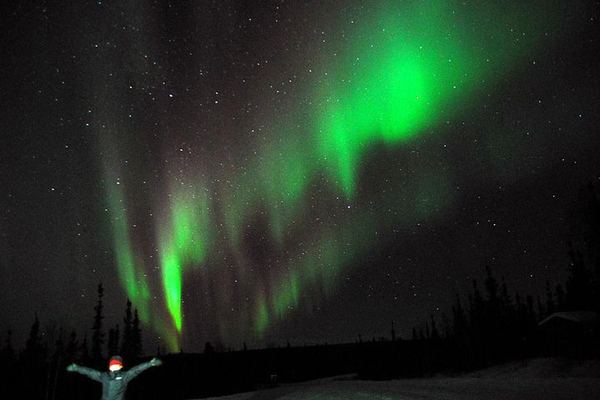
Aurora Chaser Tour from Fairbanks with Owner Operator Guides
A guide with a stake in the company decides for himself whether to drive another 40 minutes at midnight, without asking a dispatcher first. Small groups.
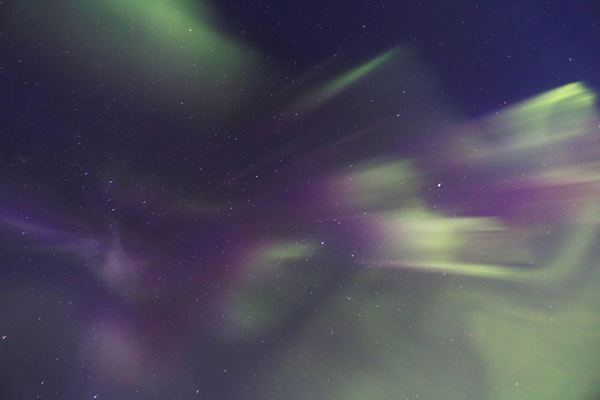
Aurora Ice Fishing from Fairbanks with a Heated Hut
The hut solves the problem every aurora night has: what to do with the hours in between. Gear, transfer and hot drinks included; the guide cooks your catch.
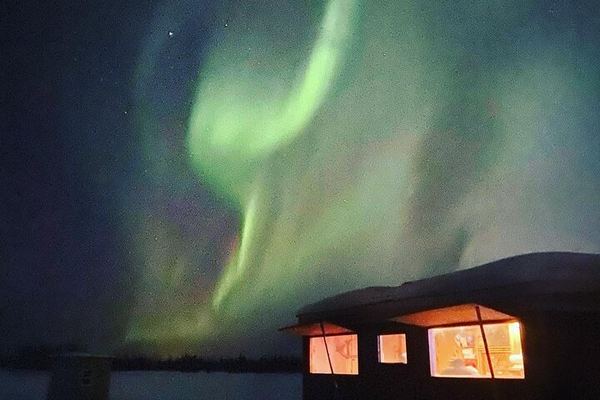
Aurora Ice: Ice Fishing and Salmon Dinner under the Northern Lights
Heated cabins with panorama windows and underwater cameras, kept around 25°C, so you watch the sky through glass with a line in the water below you.
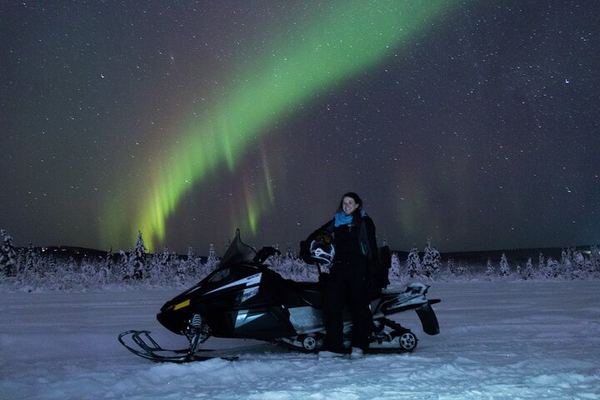
Aurora Sleighers Night Snowmobile Tour in Fairbanks
Most aurora nights are three hours in one spot with your head tilted back. This one moves between viewpoints by snowmobile. Bring cameras and tripods.
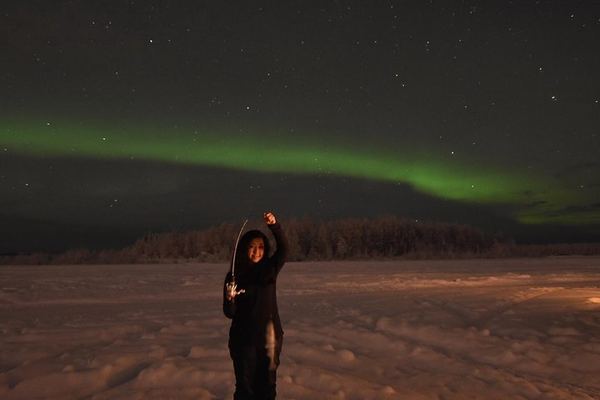
Aurora Viewing and Ice Fishing near Fairbanks in a Heated Cabin
A deluxe ice fishing cabin with heat and electricity outside Fairbanks. A line in the water gives your hands something to do while the sky makes its mind up.
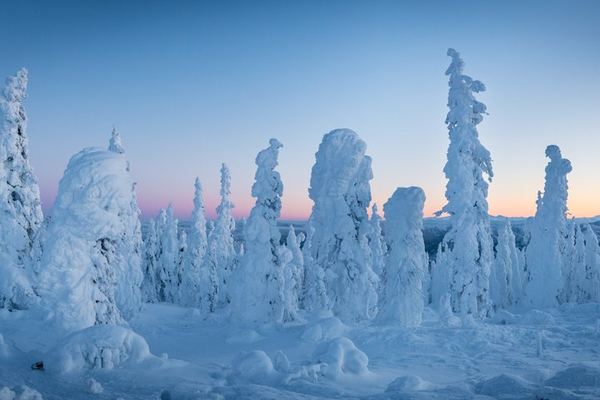
Dalton Highway Arctic Circle and Aurora Tour, Six Guests Maximum
Six people in an eleven seat van means a window seat each, and the late drive back is timed for the hours the aurora is most likely. A stop at 66°33'N.
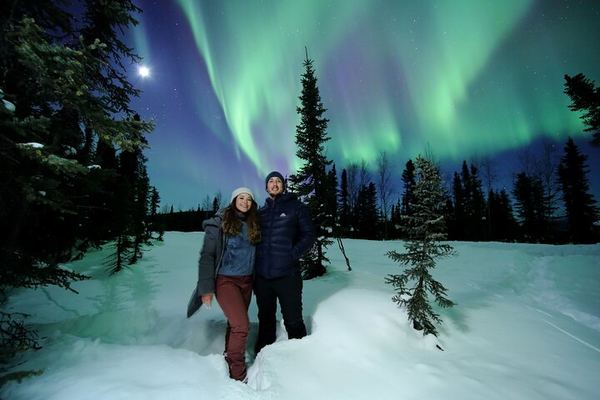
Electric Moose Studios Aurora Tour with Studio Portraits and Hot Pizza
Controlled studio lighting is why these portraits are not silhouettes, from a photographer who shot weddings for ten years before turning to the aurora.
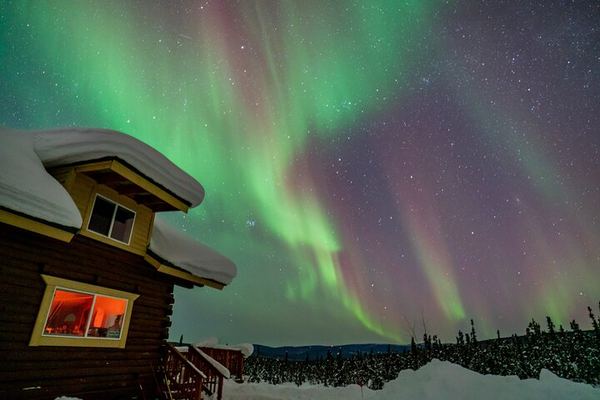
Fairbanks Northern Lights Tour with Portraits and Photo Instruction
Two bases, the vehicle as a mobile camp and a cabin with a wood stove, chosen by the sky. They phone between 3 and 5pm with the plan for that night.
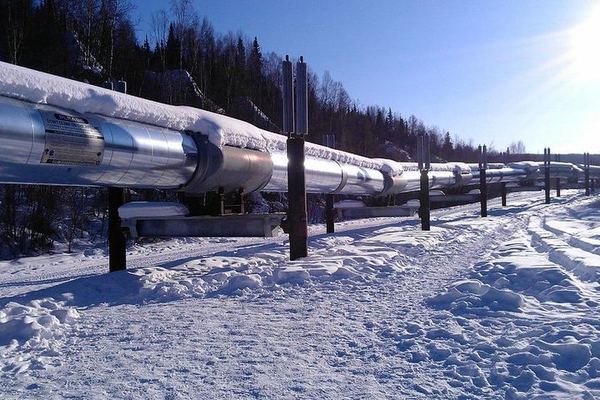
Fairbanks to the Arctic Circle Tour with Northern Lights, 12 to 14 Hours
Two hundred miles each way on a highway built for trucks, so 12 to 14 hours is the honest cost of it. Check which refund policy applies before you pay.
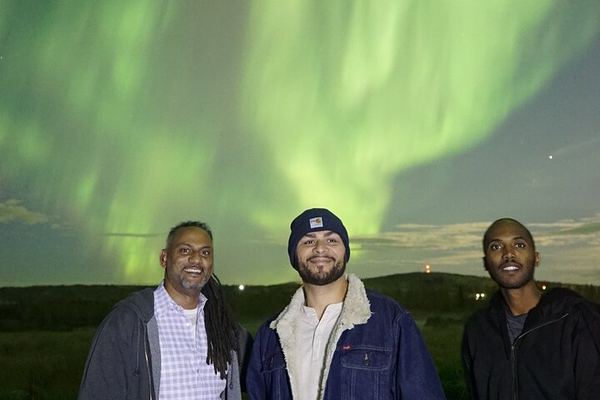
Private Northern Lights Chase around Fairbanks with Photos
A private chase leaving at 10:30pm from downtown or the Hyatt Place. The operator is blunt: a night that starts promising can close over, and the reverse.
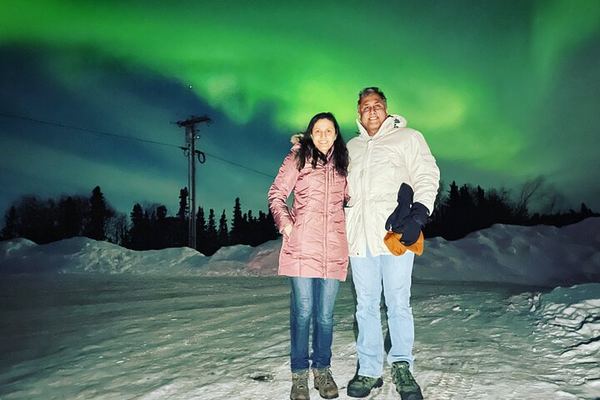
Private VIP Aurora Adventure from Fairbanks, Maximum 4 Guests
Pickup at 11pm, which puts you outside during the hours the aurora is most active rather than at 7pm when the sky is still settling. Four guests at most.
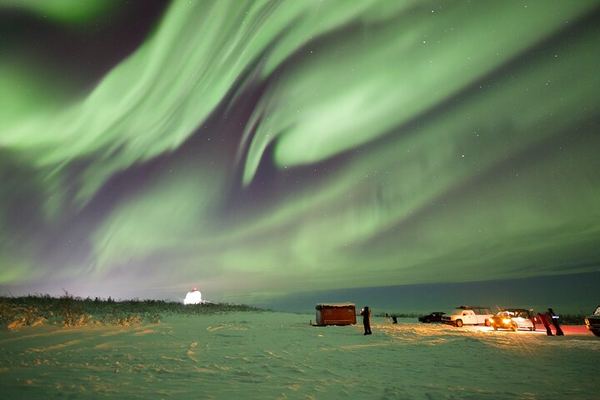
Shared Day Tour to the Arctic Circle with Aurora Chasing in Alaska
What sets this Arctic Circle day apart is that it keeps moving after dark, stopping whenever the display is worth photographing instead of parking once.
Ratings collected by Viator and Tripadvisor
What the fourteen actually are
The price range on this page is wide, 141 to 439 EUR, and unlike most aurora markets it maps onto genuinely different products rather than tiers of comfort.
| Format | How many | Price band | Length | The honest read |
|---|---|---|---|---|
| Arctic Circle day trip, Dalton Highway | 5 | 290–325 EUR | 12–16 hours | One of the great remote road trips, with an aurora attempt at the end. The Circle itself changes nothing |
| Ice fishing and aurora | 3 | 210–233 EUR | 4–6 hours | Solves the real problem of an aurora night, which is what to do with the three hours of waiting |
| Portrait and photography chase | 2 | 313–339 EUR | 4–6 hours | A professional photographer whose output is a picture of you under the lights, not of the lights alone |
| Standard shared chase | 1 | 142 EUR | 4–6 hours | The cheapest mobile option here, run by guides who part-own the company |
| Private chase | 2 | 141–439 EUR | varies | Your own vehicle. One starts at 11pm on purpose, which is the single smartest detail on this page |
| Snowmobile between viewpoints | 1 | 436 EUR | — | Moving rather than standing still, at a price that reflects it |
That 11pm pickup deserves an explanation, because it looks like an inconvenience and is actually the best-informed decision in the catalogue. Auroral activity peaks around magnetic midnight, the moment when your location passes closest to the midnight sector of the oval, and in Fairbanks that falls in the small hours rather than at eight in the evening. Most tours leave at seven or nine because that is when people want to leave. A tour that collects you at eleven is optimised for the aurora rather than for your dinner.
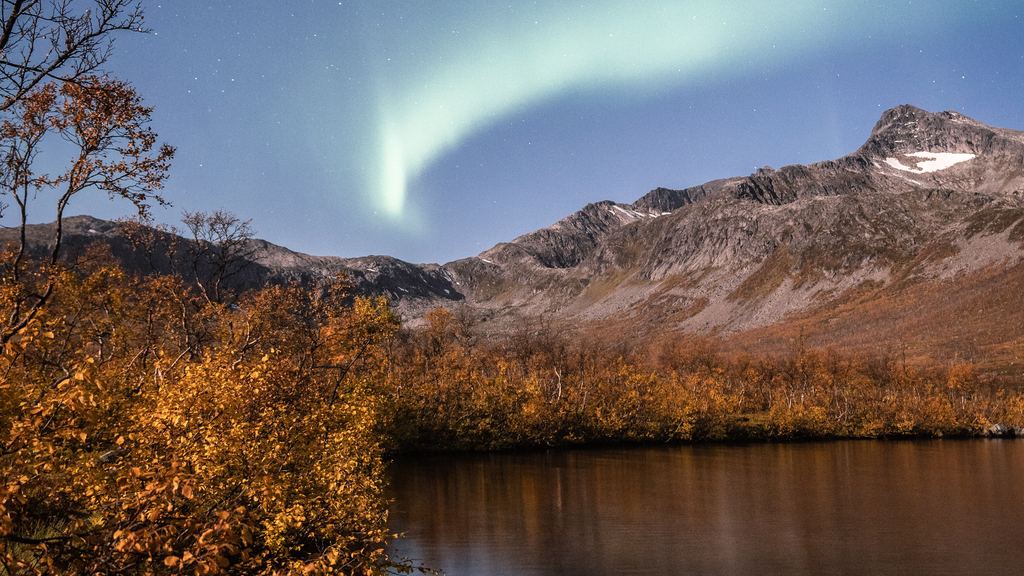
The Dalton Highway, since five of these use it
The Dalton was built in 1974, in five months, as the haul road for the Trans-Alaska Pipeline. It runs 414 miles from north of Fairbanks to Deadhorse on the Arctic Ocean, mostly unpaved, with three fuel stops on the entire length and no mobile signal worth the name. The Arctic Circle wayside, where these tours turn around, is at Mile 115, roughly 198 miles from Fairbanks. The pipeline itself runs alongside for most of it, 800 miles of insulated steel on stilts, finished in 1977.
Taken as a road trip it is genuinely extraordinary, and the reason to book one is that: the Yukon River crossing, the forest thinning into tundra, the sheer emptiness, and a certificate at the end that people do actually keep. Taken as an aurora strategy it is defensible for a different reason than the one advertised. You are not gaining latitude that matters. You are gaining 200 miles of road on which to find a hole in the cloud, and you are getting a very long way from the light dome over Fairbanks.
What to know before booking one: it is twelve to sixteen hours in a vehicle, in winter, on a road built for trucks. If your priority is the aurora and you have three nights, spend one on this and the others on short chases close to town.
Ice fishing, and why three of these exist
An aurora night is mostly waiting, and Fairbanks has arrived at an answer nobody else has: put people in a heated hut on a frozen lake with a line in the water. Two of the three keep the hut at around 25 degrees with panorama windows, so you can watch the sky through glass and step outside when it is worth it, and one serves the fish you catch as dinner.
It works better than it sounds. The problem with a standard chase is the dead hours, and the problem with sitting them out indoors is that you stop watching. A window and something to do with your hands solves both at once, and at 210 to 233 EUR it is not much more than a plain chase.
When to go, and why the answer splits in two
This page previously recommended the shoulder months, which is the Scandinavian rule and does not apply here. Run for Fairbanks, the numbers rank the season by how much aurora time each month actually contains: how often the sky is usable, multiplied by how many hours of real darkness there are to use it in.
| Month | Usable-sky nights | Darkness per night | Expected usable dark hours |
|---|---|---|---|
| January | 58.1% | 6.9 h | 4.01 |
| December | 47.4% | 7.5 h | 3.55 |
| February | 53.0% | 5.7 h | 3.02 |
| November | 41.3% | 7.0 h | 2.89 |
| October | 46.5% | 5.7 h | 2.65 |
| March | 51.9% | 3.9 h | 2.02 |
| September | 44.0% | 3.1 h | 1.36 |
For the chases, that table is the answer: January, then December, then February. September, which we had recommended, is the worst month of the season here by a factor of nearly three.
For the five Arctic Circle day trips it is not, and this is the one place on the site where we give two different answers for the same town. Those departures are twelve to sixteen hours long and most of what you are buying is the road: the Yukon crossing, the tundra, the pipeline on its stilts. In January, Fairbanks gets roughly four hours of daylight, so a Dalton day trip is spent almost entirely in the dark and you will see very little of the thing you paid 300 EUR to be driven through. By March there are eleven hours of daylight and the sky is still usable on 51.9% of nights. For that sub-format, March is the month, and the aurora at the far end of it remains a bonus rather than the point.
Two limits on the cloud figure, stated because they cut against us. Our window covers September to March, so the April end of the operators' season is outside it. And below roughly minus 35 the Tanana valley fills with ice fog, a shallow local effect a 28 km reanalysis grid will under-resolve: the 58.1% describes the regional sky, which is what a tour driving out of the valley actually gets, and it overstates what somebody standing downtown sees.
Two answers for the same town
| Month | 1 | 2 | 3 | 4 | 5 | 6 | 7 | 8 | 9 | 10 | 11 | 12 |
|---|---|---|---|---|---|---|---|---|---|---|---|---|
| Chases from FairbanksJanuary is the best month at 58.1% usable sky over 6.9 hours of darkness. September is the worst of the season, with a mediocre sky over barely three hours of dark. | 1 | 2 | 3 | 4 | 5 | 6 | 7 | 8 | 9 | 10 | 11 | 12 |
| Arctic Circle day tripsTwelve to sixteen hours in a vehicle, and most of what you buy is the road. January gives four hours of daylight to see it in; March gives eleven, and still a 51.9% sky at the far end. | 1 | 2 | 3 | 4 | 5 | 6 | 7 | 8 | 9 | 10 | 11 | 12 |
Cloud: ERA5 via Open-Meteo, 11 seasons. Darkness: ephemerides. Our window stops at March, so April is not covered. Full method on the Fairbanks page.
Before you book a Fairbanks road tour
When should I come?
January if you want a chase: it is the best month of the Fairbanks season for sky and darkness combined, and roughly three times better than September, which most guides recommend by reflex. March if you want the Dalton Highway, because in January you would drive that road almost entirely in the dark.
Is the Arctic Circle trip worth it?
As a road trip, yes, and it is unlike anything else you can do by vehicle in North America. As a way of improving your aurora odds, no. Fairbanks is already deep under the oval, and crossing a line defined by the sun's geometry does not move you closer to the magnetic one. Book it for the Dalton Highway, in a month with daylight in it.
Why do some tours start at 11pm?
Because the aurora is more active around magnetic midnight, which in Fairbanks falls in the small hours. A tour that leaves at seven is built around when people want to go out; one that leaves at eleven is built around when the sky is most likely to perform. If you can face it, the late start is the better bet.
How is Fairbanks better than somewhere further north?
Two reasons, both structural. The auroral oval is centred on the geomagnetic pole off northwest Greenland, so Alaska sits deeper inside it than its latitude suggests. And the air is dry: a usable sky on 48.9% of season nights, the best figure in this catalogue. Latitude is the wrong number to compare.
What does ice fog mean for a tour?
Below roughly minus 35, water vapour from vehicles and heating freezes in the air and forms a dense fog over Fairbanks itself. It is a shallow valley effect rather than regional cloud, which is why the tours drive out of it and why the hills around town are often clear when the valley is not.
Data verified on. Cloud: ERA5 via Open-Meteo, 11 seasons. Darkness: computed ephemerides. Prices and review counts read off the 14 departures on 10 August 2026.